







Search Results for: Japan Organic Coffee Project
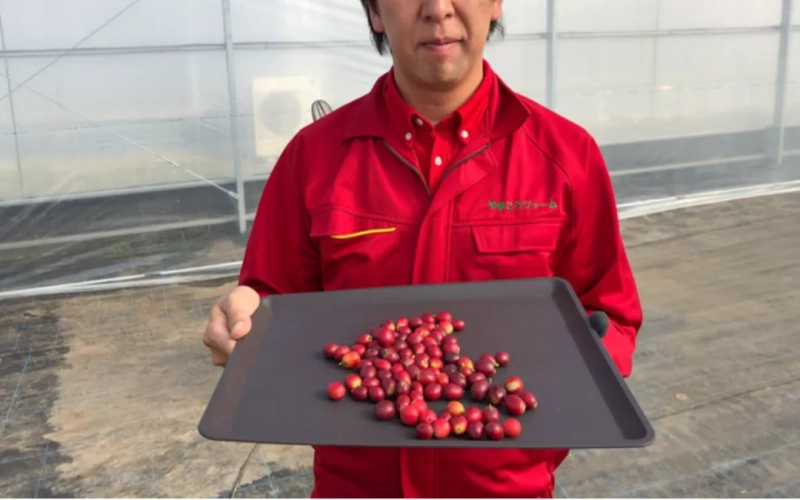
Okayama's Sanko Farm in Japan Successfully Cultivates Native Coffee Trees, First Domestic Coffee Beans Expected to Be Harvested in February
Coffee cultivation has long been concentrated in the coffee belt between the Tropic of Cancer and the Tropic of Capricorn, and Japan, with its cold climate, had never achieved commercial cultivation on its own soil. However, after years of exploration, Yamago Farm in Okayama City has finally succeeded in getting Typica coffee trees to flower and bear fruit in a greenhouse, and is expected to harvest Japan's first-ever domestically grown coffee beans in February 2022. Farm owner Kosuke Yamamoto has also launched the "Japan Organic Coffee Project," providing saplings and technical support to interested growers. Can this breakthrough open up a new path for Japan's coffee industry? This article will take you through Yamago Farm's cultivation journey, the technical details, and its future prospects. [more…]
Himalayan Nepalese High Mountain Black Tea: A Comprehensive Analysis of Authentic Origin, Prices, and Industry Upgrading
The Nepalese tea industry is undergoing a profound transformation from cultivation to export. Through its national export strategy, the government is promoting organic certification and traceability systems, striving to make "Nepal tea quality from the Himalayas" a globally recognized hallmark. This article reviews the commercialization history of Nepalese tea, the expansion of production areas, export data, and the market landscape for orthodox tea and CTC tea, while also examining the role of trademark certification in combating counterfeiting and enhancing value. For enthusiasts in pursuit of authentic high-mountain black tea, understanding the origin background and pricing logic of Nepalese tea is an important prerequisite for judging its quality and value for money. Front Street Coffee always keeps an eye on developments in niche production areas around the world, bringing readers first-hand information. [more…]

El Salvador Carmen Estate Natural Bourbon: Flavor Exploration and Tasting Notes under the HiU Program
This article will take you on a deep dive into the HiU Project Natural Bourbon coffee beans from El Salvador's Carmen Estate. From the 2012 WBC competition experience to the unique hops aroma in the green beans, and on to Carmen Estate's volcanic soil and family heritage, the author shares in detail this bean's flavor profile, roasting insights, and origin background. The article also introduces the strict standards of the HiU Project and the cultivation characteristics of Salvadoran coffee. Currently this bean is nearly out of stock, and Front Street Coffee is specially offering a limited-time special price on the last batch, with a purchase limit of two portions per enthusiast, available only while supplies last. [more…]
A Complete Guide to Central American Coffee Regions: Flavor Profiles and Stories Behind the Signature Beans of Each Country
More than sixty countries and regions around the world produce coffee, most of them concentrated in the tropical and subtropical zones between the Tropic of Cancer and the Tropic of Capricorn, with the equator running through them. This region is known as the Coffee Belt. Among the many producing areas, Central America holds an important position. This article will take you into Central American countries such as Costa Rica, Cuba, the Dominican Republic, El Salvador, Guadeloupe, and Guatemala to learn about the flavor characteristics, cultivation history, and current development of each country's representative coffee beans. From Costa Rica's Strictly Hard Bean to Guatemala's spicy-flavored coffee, from El Salvador's Pacamara hybrid variety to Cuba's Turquino grade, every cup carries a story of terroir and human culture. Front Street Coffee will also recommend selected beans worth trying. [more…]
What is the difference between Mandheling and Golden Mandheling? An analysis of the flavor and taste characteristics of Mandheling pour-over coffee.
Mandheling coffee is hailed as the representative of specialty coffee in Asia, while Golden Mandheling attracts much attention for its higher price. Both originate from the island of Sumatra in Indonesia, so why is the price gap so wide? This article systematically sorts out the core differences between Mandheling and Golden Mandheling, from the origin of the name Mandheling, the way Indonesian production regions are defined, and the classification of export grades, to the evolution of the Lintong and Aceh production regions. At the same time, combined with pour-over extraction, it introduces the flavor and taste characteristics of Mandheling, and recommends Front Street Coffee's Mandheling and Golden Mandheling products, helping coffee enthusiasts build a clear understanding. [more…]
Brazil Cerrado Region's Cerrado Coffee Beans: The Flavor Code from Wilderness to Specialty Certification
Cerrado (also spelled Hilado/Hilado), which means "savage land" in Portuguese, has now become synonymous with Brazilian specialty coffee. This flat plateau at an altitude of about 1,000 meters, with its unique soil, abundant groundwater, and modern agricultural technology, has completed a magnificent transformation from being ignored to becoming a world-class producing region. In 2005, the Brazilian government officially certified the "Cerrado Designation of Origin," and only coffee beans that pass strict testing and score more than 75 points under SCAA scoring can receive this honor. This article will take you through an in-depth understanding of the birth of Cerrado coffee, the establishment of the CACCER producers association, ecological cultivation methods, two harvesting models, and the traceability system, along with recommendations from Front Street Coffee. Whether you are a coffee enthusiast or a professional in the industry, you can feel the unique flavor and craftsmanship that this land gives to coffee. [more…]
A Comprehensive Guide to Global Organic Tea Certification Systems: Differences Among EU, US, Japan and Other Standards, and Buying Tips
The core difference between organic tea and conventional tea lies in whether it has been certified by an authoritative body. EU organic regulations prohibit genetic modification and synthetic inputs, and require animals to be raised in ways that suit their species characteristics, and are regarded as the strictest threshold in the tea industry. Certifications such as Switzerland's IMO, France's Ecocert, the US USDA, Japan's JAS, India's, Canada's, China's, Australia's, and Germany's Naturland each have different emphases, with significant differences in scope of application and difficulty of obtaining them. Rainforest Alliance, UTZ, FDA, and HACCP provide supplementary assurances from the perspectives of sustainable agriculture and food safety. This article systematically sorts out the rules, authority, and market applicability of major certifications, helping coffee and tea lovers accurately identify the true meaning behind labels when making purchases. [more…]
Panama Deborah Geisha Tasting Guide: Anaerobic Natural Processing and Flavor Analysis of the Savage Series
Front Street Coffee presents the Panama Deborah Anaerobic Natural Geisha, from the Savage series in the Volcán region at an altitude of 2,000-2,350 meters, roasted at a medium level to reveal white florals, pineapple, and lactic acidity, with a full and balanced mouthfeel. This article will guide you through this Geisha's unique processing method—first sun-dried on raised beds until raisin-like, then sealed and fermented anaerobically for 36 hours, retaining all the fruit pulp; at the same time, we step into Deborah Estate's high-altitude microclimate and ecological farming philosophy, and analyze the quality pursuit of the Savage coffee project. At the end of the article, we include SCA-recommended pour-over parameters: 15g coffee, 90-93°C, 225ml water, a 1:15 coffee-to-water ratio, to help you fully unlock this Geisha's flavor potential. [more…]
Flavor Characteristics of Rwandan Coffee Beans and the Story of Rebirth in the Land of a Thousand Hills: From Genocide to the Rise of Specialty Coffee
Rwanda, known as the "Land of a Thousand Hills," is a prominent African coffee-producing country after Kenya and Ethiopia. However, unlike these two countries with long histories of coffee production, Rwanda's coffee industry was rebuilt from the rubble of war and genocide. This article will guide you through Rwanda's coffee-growing environment, Bourbon varieties, washed processing techniques, and the industry's revival path from the PEARL program to Starbucks' "Blue Bourbon." At the same time, Front Street Coffee will share roasting and brewing recommendations for Rwandan washed Red Bourbon, allowing you to savor the bright citrus acidity and nutty chocolate sweetness while feeling the resilience and hope of this land reborn from the ashes. [more…]
An In-Depth Analysis of Panama Deborah Estate Geisha Coffee: A Full Reveal of the Savage Series Flavors and Processing Methods
Panamanian Geisha coffee has always been the darling of the specialty coffee world, and Finca Deborah stands out as one of its finest examples. Perched high in the mountains of the Chiriquí volcano, this estate owes its floral, fruit-forward Geisha to extreme altitude, a unique microclimate, and innovative processing methods. This article takes you inside Finca Deborah to explore its geography, cultivation philosophy, and the Savage Coffee project led by its owner, Mr. Savage. We will also break down in detail the anaerobic natural processing method used for the Savage Geisha purchased by Front Street Coffee this time, along with Front Street's roasting analysis, cupping notes, and brewing suggestions, offering professional reference for your tasting and brewing. [more…]
Exploring Panama's Geisha Twin Stars: The Origins of Deborah Estate and Morgan Estate and the Savage Coffee System
Geisha coffee made Panama's Hacienda La Esmeralda famous, but on this land surrounded by volcanoes, there are two other estates that also produce top-tier Geisha—Deborah and Morgan. Both belong to Jamison Savage's coffee empire, one located in the high-altitude primary forest of Volcán, the other perched on the steep slopes of Barú Volcano, renowned for strict organic farming and meticulous post-harvest processing. Front Street Coffee will guide you through the geography and terroir of these sister estates, their processing techniques, and the collaborative model of the Savage Coffee project, and share a cup profile and brewing recommendations for a Savage series Geisha. [more…]
Ethiopia Red Cherry Project Wateema Washed Beans: A Complete Analysis of Flavor, Region, and Processing Method
Operation Cherrie Red is a quality improvement project initiated by the Dutch company Trabocca, aimed at incentivizing smallholder farmers in Ethiopia to produce high-quality coffee. This article focuses on the Wottuna Boltuma washed beans from Front Street Coffee's Ethiopian Operation Cherrie Red, providing a detailed introduction to the program's operating model, stringent selection criteria, regional characteristics, and cup flavor profile. From hand-picking fully ripe red cherries to requiring a cupping score of 88 or above for selection, Operation Cherrie Red returns all profits to participating farms. These washed beans originate from the Sidama region, are grown by 260 smallholder farmers at an elevation of 1,900 meters, and the volcanic clay soil nurtures jasmine and rose aromas, black tea and bergamot sweetness, and a clean mouthfeel, making them well worth exploring for coffee enthusiasts. [more…]
A Comprehensive Analysis of the Yunnan Dehong Coffee Region: Cultivation History, Processing Capabilities, and Pour-Over Flavor Characteristics
As one of the earliest regions in China to introduce coffee cultivation, Dehong Prefecture, with its exceptional natural conditions, has nurtured Yunnan arabica coffee of outstanding quality. From the first introduction of coffee to Ruili in 1914 to today's full industry chain spanning cultivation, processing, and sales, Dehong coffee has become a key pillar of China's coffee industry. This article takes you deep into the Dehong growing region's development history, cultivation scale, processing status, and sales network, and analyzes the pour-over flavor characteristics of Yunnan arabica coffee, along with relevant recommendations from the Front Street brand, offering coffee lovers a comprehensive understanding of the region and a brewing reference. [more…]
A Complete Analysis of the Flavors of Guatemala's Eight Major Regions: Tasting Notes of Finca El Llano Guayaba Wine-Process Natural SL28
Guatemala, with its sprawling mountain ranges and diverse microclimates, gives rise to eight major coffee regions, each with its own distinct style. This article begins with Finca El Guayabal in the New Oriente region, offering a detailed introduction to the varietal origins, processing details, and cupping performance of its winey natural SL28, and then systematically reviews the terroir characteristics and flavor profiles of each Guatemalan coffee region. Whether you are interested in regional knowledge or single-origin reviews, you will find a complete reference here. [more…]
Front Street Peruvian Coffee: Comprehensive Analysis of Origin Flavor, Processing Methods, Grind Size, Taste, Price, and Annual Production
Peru is best known for its two major coffee-producing regions, Chanchamayo and Cusco, while the northern region also produces distinctive organic coffee. These organic beans are shade-grown; although yields are relatively low, the quality often reaches specialty grade—the shaded environment slows the ripening of the coffee cherries, allowing the beans to accumulate richer natural compounds, resulting in more outstanding flavor complexity and relatively lower caffeine content. Other high-quality coffee-producing regions in Peru include Chasimayo, Norte, and Puno. Coffee grown under natural conditions typically commands export prices 10% to 20% higher, mainly shipped to the United States and Japan. In the mid-1970s, Peru's annual coffee production was about 900,000 bags, and it has since steadily climbed to about 1.3 million bags. Front Street Coffee takes you through a comprehensive look at Peruvian coffee's flavor, processing methods, grinding recommendations, taste profile, price trends, and production overview. [more…]
What Is Whole-Ripe-Cherry Picking? How the Red Cherry Project Drives Quality Improvement in Specialty Coffee
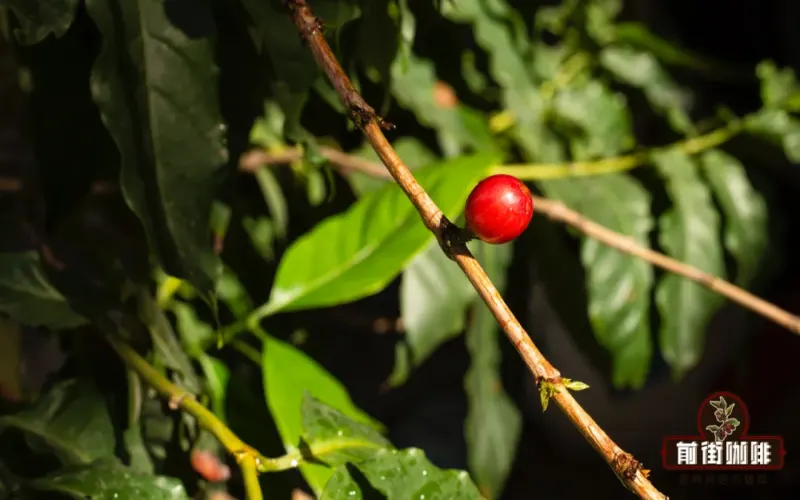
In coffee bean promotions, we often see phrases like "all-red cherry sun-dried," but all-red cherry is not actually the name of a processing method; rather, it refers to the practice of picking coffee cherries when they are fully red. So why is all-red cherry picking so important? What story of industrial transformation lies behind it? This article will analyze, from the perspective of Front Street, the impact of all-red cherry picking on coffee quality, review the evolution of harvesting methods in the early days of specialty coffee, and introduce the "Red Cherry Project" launched in 2007 by the Dutch green bean trader Trabocca, examining how it broke the vicious cycle between coffee farmers and green bean traders by raising the purchase price for high-quality coffee, ultimately achieving a win-win-win for farmers, merchants, and consumers. [more…]
Yirgacheffe Gedeb Natural Bean Flavor Analysis and Pour-Over Parameters Explained
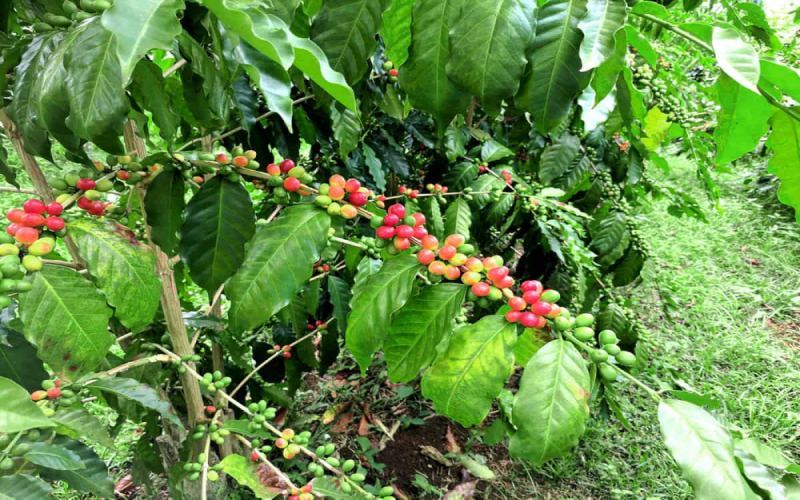
Yirgacheffe is both a well-known coffee-producing region in Ethiopia and an important byword for specialty coffee flavor. This article focuses on Front Street Coffee's Gotingding Cooperative coffee beans, outlining the background of the Yirgacheffe region, the differences between washed and natural processing methods, the origin of the Red Cherry Project, and Front Street Coffee's roasting approach and pour-over parameters for Yirgacheffe. It also compares the flavor profiles of the washed Gotingding and natural Red Cherry beans, helping coffee lovers gain a more comprehensive understanding of Yirgacheffe's appeal and master the key details for everyday brewing. [more…]
A Guide to Ceylon Black Tea Brewing Ratios: From the Reasons for Its Introduction to the Development Path of Smallholder Organic Fair Trade
How many grams of Ceylon black tea should you use? This seemingly simple question is connected to the entire ecosystem of Sri Lanka's tea industry. This article starts with brewing ratios, traces the history of Ceylon black tea's introduction into China, and takes a deep look at how small tea farmers in Sri Lanka carve out a path of organic fair trade in the cracks between large tea estates. From IFOAM and Codex Alimentarius organic standards, to international certification systems such as Bio, USDA, and JAS, and to the protection of workers' rights by international fair trade organizations, you will see the strict checks a cup of Ceylon black tea goes through from cultivation to export, and you will also understand why the related products recommended by Front Street Coffee are worth paying attention to. [more…]
Yirgacheffe Kochere Region Natural vs. Washed Coffee Bean Flavor Differences and Analysis of the Red Cherry Project
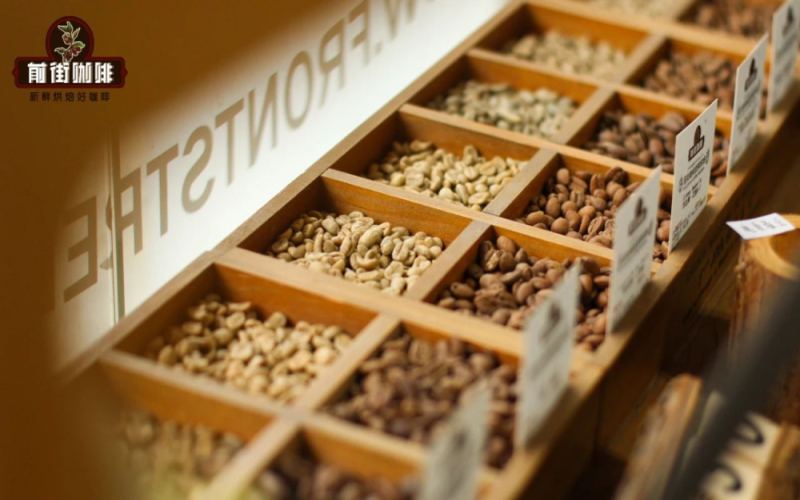
The processing method of green coffee beans is one of the key stages that determines the direction of flavor. Even for coffees from the same Yirgacheffe region, the two processes of natural and washed give the beans completely different personalities. This article takes the Kochere region as its starting point and, combining two beans—Front Street Coffee Yirgacheffe Red Cherry Natural and Front Street Coffee Yirgacheffe Kochere Washed—systematically sorts out the differences between the two processing methods, from regional background, green bean appearance, and roasting curves to cupping and brewing performance. It also introduces the origin and operation of the Red Cherry Project, helping enthusiasts more clearly understand the impact of processing methods on flavor. [more…]
Yirgacheffe Kochere: How Washed and Natural Processing Shape Coffee Flavor Differences and the Award-Winning Background of the Red Cherry Project
Yirgacheffe is Ethiopia's most iconic specialty coffee region, and coffee beans from its sub-region Kochere present strikingly different flavor profiles depending on the processing method. This article takes Front Street Coffee's two beans—Natural Red Cherry and Washed Kochere—as its starting point, systematically reviewing the background of the Kochere region, the operational mechanism and quality standards of the Red Cherry program, and comparing them across four dimensions: green bean appearance, roasting curves, cupping performance, and Clever Cup brewing, to help coffee enthusiasts understand the practical impact of natural and washed processing on flavor direction, as well as the grading logic behind Yirgacheffe G1. [more…]